

02-03-2026 08:04 AM CET | Business, Economy, Finances, Banking & Insurance
The global industry of bare copper wire manufacturing is experiencing a significant surge, propelled by the swift expansion of the electrical infrastructure sector and the escalating demand for high-conductivity electrical conductors. Central to this growth is a key electrical component: the bare copper wire. As industrial regions shift towards advanced power transmission systems and renewable energy infrastructure, the establishment of a bare copper wire manufacturing plant emerges as a strategic business opportunity. This opportunity is particularly appealing to entrepreneurs and investors in metal processing who are keen to tap into this burgeoning and indispensable market.
Market Overview and Growth Potential
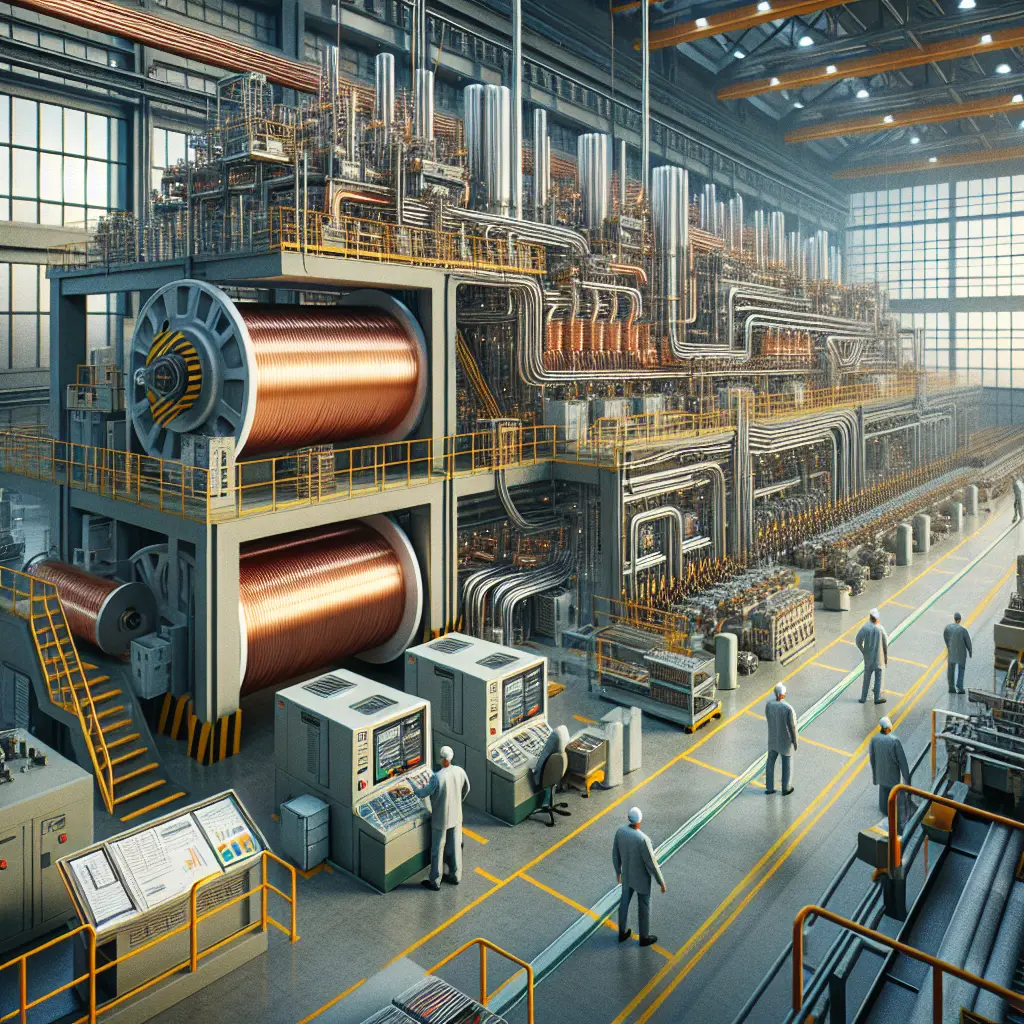
Bare copper wire, an uninsulated electrical conductor, is produced by drawing refined copper through progressively smaller dies until the desired diameter specifications are achieved. This results in a metallic conductor of high purity and exceptional electrical conductivity. Bare copper wire, typically 99.9% pure copper, is an efficient electrical conductor primarily used in power transmission lines, grounding systems, overhead conductors, and the manufacturing of electrical equipment. Its superior conductivity allows for efficient electricity transmission with minimal energy loss and excellent resistance to corrosion. Its high current-carrying capacity, mechanical strength, and compatibility with various electrical applications make it a favored choice in power infrastructure, industrial manufacturing, and telecommunications networks.
The bare copper wire market is experiencing a strong demand due to the growing need for reliable electrical conductors that can support the modernization of power grids and the integration of renewable energy. Industrial regions are increasingly transitioning towards high-capacity transmission systems, particularly in power distribution, solar installations, wind farms, and smart grid infrastructure, driving large-scale adoption. According to industry reports, global electricity demand is projected to grow by over 30% by 2040, necessitating significant investment in transmission and distribution infrastructure. Government-led grid modernization programs, renewable energy mandates, and electrical safety standards further bolster market prospects.
Request for a Sample Report: https://www.imarcgroup.com/bare-copper-wires-manufacturing-plant-project-report/requestsample
Plant Capacity and Production Scale
The proposed bare copper wire manufacturing facility is designed with an annual production capacity ranging between 30,000-50,000 MT. This capacity range allows manufacturers to achieve economies of scale while maintaining operational flexibility. It enables manufacturers to cater to diverse market segments, from power utilities and electrical equipment manufacturers to construction contractors, telecommunications providers, and industrial automation applications. This ensures a steady demand and consistent revenue streams across multiple sectors.